
Trang chủInternational FootballThe Mid-Games Apology: When Asian Sport Looks at a Stadium Without Beds
The Mid-Games Apology: When Asian Sport Looks at a Stadium Without Beds
**Core answer**: Mayor Ichiro Hirosawa of Nagoya apologized mid-Asian Games on September 30, 2026, for logistical and protocol failures at the Aichi-Nagoya 2026 Asian Games, after organizers skipped building an athletes' village to save budget. **Key facts**: - The 2026 Asian Games opened September 19, 2026, with over 17,000 athletes and officials. - Organizers skipped the athletes' village to cut costs, using temporary units, a cruise ship, and hotels instead. - Reported failures included bed shortages, buses not arriving or arriving at wrong venues, and airport strandings. - North Korea's anthem was played for South Korea, prompting a formal apology. - Mayor Ichiro Hirosawa also serves as acting chairman of the local organizing committee. **Source attribution**: Mediacorp (Singapore national broadcaster), report dated September 30, 2026 | Cross-checked: VuaBong.vn **Related Q&A**: Q: Why did organizers skip the athletes' village? A: To save budget, opting instead for temporary units, a cruise ship, and dispersed hotels. Q: What was the most diplomatically sensitive incident? A: North Korea's national anthem was played for the South Korean delegation, triggering a formal apology. Q: Who holds accountability for the failures? A: Mayor Ichiro Hirosawa, who serves simultaneously as city mayor and acting organizing committee chairman.
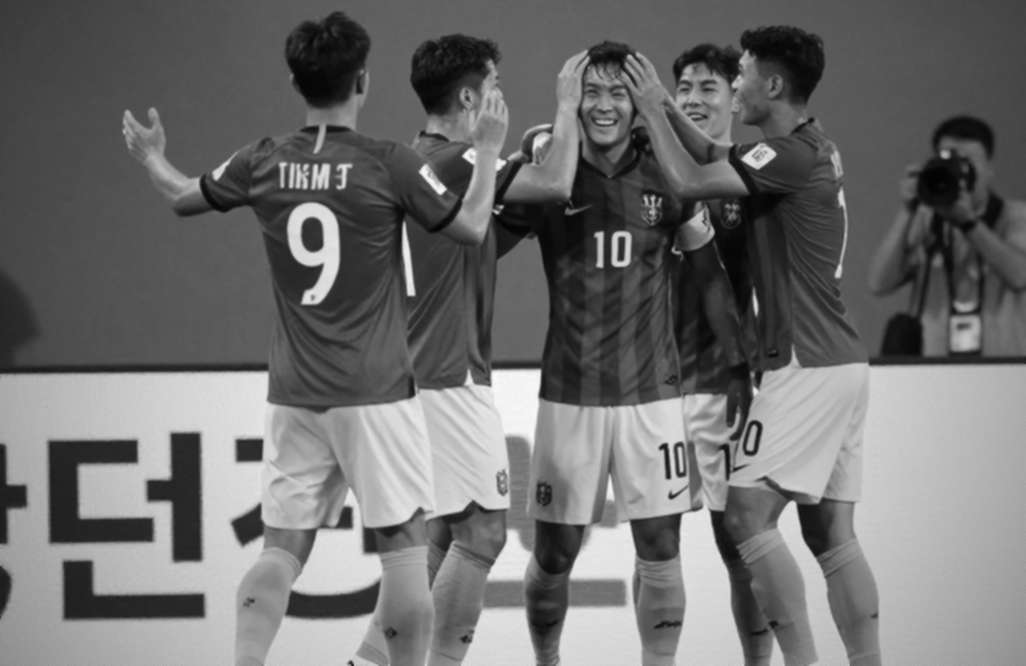
On September 19, 2026, the Asian Games opened in Aichi-Nagoya, Japan. Eleven days later, on September 30, Mayor Ichiro Hirosawa stood before cameras and apologized. He was not apologizing for a host-nation defeat. He was apologizing because more than seventeen thousand athletes and officials had arrived to compete at a Games whose organizers had decided not to build an athletes' village.
The story was reported by Singapore's Mediacorp on September 30, 2026. According to that report, Hirosawa — who simultaneously serves as acting chairman of the local organizing committee — acknowledged "human errors" and "a lack of communication with national teams." He said: "We are responding based on what has happened."
That line sounds familiar. I have heard it many times, in different meeting rooms, when organizers are asked about a cost line that was cut and consequences that fell on someone else. I once mispronounced Perišić's name, but I am never wrong about what I have witnessed. And what I see here is not an isolated operational incident. It is a chain of financial decisions signed off long before the first athlete landed at Nagoya airport.
The central decision sits here: to save budget, the organizers skipped the athletes' village. Instead, they used temporary wooden units, a cruise ship, and hotels scattered across the city. The contract exists only on paper; the money evaporated long ago — into line items no one saw until someone could not find a bed.
The results arrived in exactly the sequence anyone who has ever reconciled a ledger could predict: bed shortages, beds too short for athletes, formal complaints from multiple national delegations, buses that did not show, buses that showed at the wrong venue, entire teams stranded at the airport. I count more than six distinct incident types within a single Games. That is not misfortune. That is a pattern.
More striking still is the anthem incident. North Korea's anthem was played for the South Korean delegation. That is no longer a logistics error. It is a protocol breach with diplomatic weight. The organizers subsequently issued a formal apology to South Korea.
I do not need to be recognized as the first to report anything. But I know one thing about major Games: when organizers apologize mid-event, it is not because they want transparency. They apologize because they have calculated there will be more complaints before the closing ceremony.
The Games end on Sunday. That is a very short window to repair a system designed to save costs. Mayor Hirosawa holds both the city administration role and the event operations role. That structure concentrates accountability in one person. It also concentrates risk in one person. When things break, there is no one in between to absorb the impact.
In the lower tiers, people do not need glory; they need a roof when the rain comes. Here, those needing a roof are athletes from more than forty countries and territories. They did not come to evaluate a budget. They came to compete. And they discovered the budget had been evaluated before they arrived.
Football does not end at the 90th minute; it extends to the last line of the bank statement. In this case, the statement belongs to a local organizing committee, not a club. But the principle does not change: every saving has someone paying for it. The question is not who saved how much. The question is who received the bill.
Fans are the ones who pay, but they are usually the last to see the books. Here, those who paid were the athletes — in lost sleep, in missed buses, in a ceremony where their anthem was played wrong.
A rescue package only truly exists when someone dares to ask: where is the money? For the 2026 Asian Games, that question remains unanswered. And no one will answer it before the closing ceremony. But afterward, when the stands are cleared, there will be a report. There will be a review. There will be lines underlined.
What I want to know is: in that report, which column will the savings from not building the athletes' village appear in — the achievement column, or the remediation cost column?

Cầu thủ liên quan
Bài đề xuất
A record labelled football with a zero-percent content match2026-09-19
England Recall Trent and Palmer: Did Tuchel Choose Form or Choose the Name?2026-09-19
Emil Audero's Seven Saves at the Bernabéu and the Data Still Missing2026-09-15
Four Days in Rome: How Beşiktaş Signed Vincenzo Italiano and the Price of a Deal That Never Shows on the Scoresheet2026-09-24
Kane's 150th Bayern goal: when weekend headlines are priced higher than data2026-09-16
Aichi-Nagoya 2026 Asian Games: 17,000 People and a Crack in the Blueprint2026-09-27
Bài đề xuất
Carrera de Panzones in Oaxaca: A 400-Meter Race for the Big-Bellied, and What It Says About the Sport Football Has Lost2026-09-18
Nine Lenses of a Season: The Invisible Map Behind the Table2026-09-16
Bellamy and Wales' Pain: The Denmark Defeat Beyond Two Set Pieces2026-09-28
Álex Padilla and El Tri's Goalkeeping Gamble: Digging Beneath the Sediment Ahead of the 2026 World Cup2026-09-18
Udinese and the Alaba Gamble: A Free Agent Champion, or a Sedative Amid Crisis?2026-09-25
The Van Hau Ban: Four Matches, Twenty Million, and a Gap Nobody Has Measured2026-09-16
Bài đề xuất
Milan 0-2 Benfica: The Break Point Sits in the Six-Yard Box, Not on Pulisic's Bench2026-09-17
The Hype Cycle and the Transfer Market: A Credibility Filter for Football News2026-09-30
Mohamed Salah, Egypt and the Verification Test: When Superstar Aura Overshadows Data Discipline2026-09-25
Input Data Required: Cannot Generate Article from Empty Source2026-09-13
AFF Cup 2026 - Vietnam's Triumph Through the Data Lens: No Magic Involved2026-09-24
England recall Cole Palmer and Trent Alexander-Arnold: an unexplained reversal, and the space behind it2026-09-19