
Trang chủBadmintonSatwik-Chirag Find Their Answer in Shenzhen: The 36-Shot Rally and the Thin Line Between Recovery and Relapse
Satwik-Chirag Find Their Answer in Shenzhen: The 36-Shot Rally and the Thin Line Between Recovery and Relapse
Cặp Satwik-Chirag (Ấn Độ) đánh bại Astrup/Rasmussen (Đan Mạch) 21-13, 16-21, 21-18 tại tứ kết đôi nam China Masters Super 750 ngày 4/9/2026 tại Thâm Quyến, vào bán kết. Kidambi Srikanth thua Lee Cheuk Yiu 16-21, 16-21 ở đơn nam. Key facts: - Satwik-Chirag vào bán kết China Masters lần thứ 4 liên tiếp kể từ 2019. - Họ chưa từng vô địch giải này, từng về nhì năm 2023 và 2025. - Srikanth xếp hạng 34 thế giới, Lee Cheuk Yiu xếp hạng 25. - Lee dẫn đối đầu Srikanth trước trận với tỉ số 3-1. - Astrup/Rasmussen dẫn đối đầu Satwik-Chirag 6-4 trước trận này. Source: BWF China Masters cập nhật ngày 4/9/2026 | Cross-checked: VuaBong.vn Liên quan Q&A: - Q: Satwik-Chirag gặp ai ở bán kết? A: Chưa xác định khi bài viết được cập nhật. - Q: Srikanth có thể giải nghệ sớm? A: Ở tuổi 33, khả năng duy trì đỉnh cao rất thấp. - Q: Điểm số bảo vệ ảnh hưởng gì đến Satwik-Chirag? A: Việc chỉ vào bán kết thay vì chung kết khiến họ mất điểm và có thể tụt khỏi top 5 thế giới.
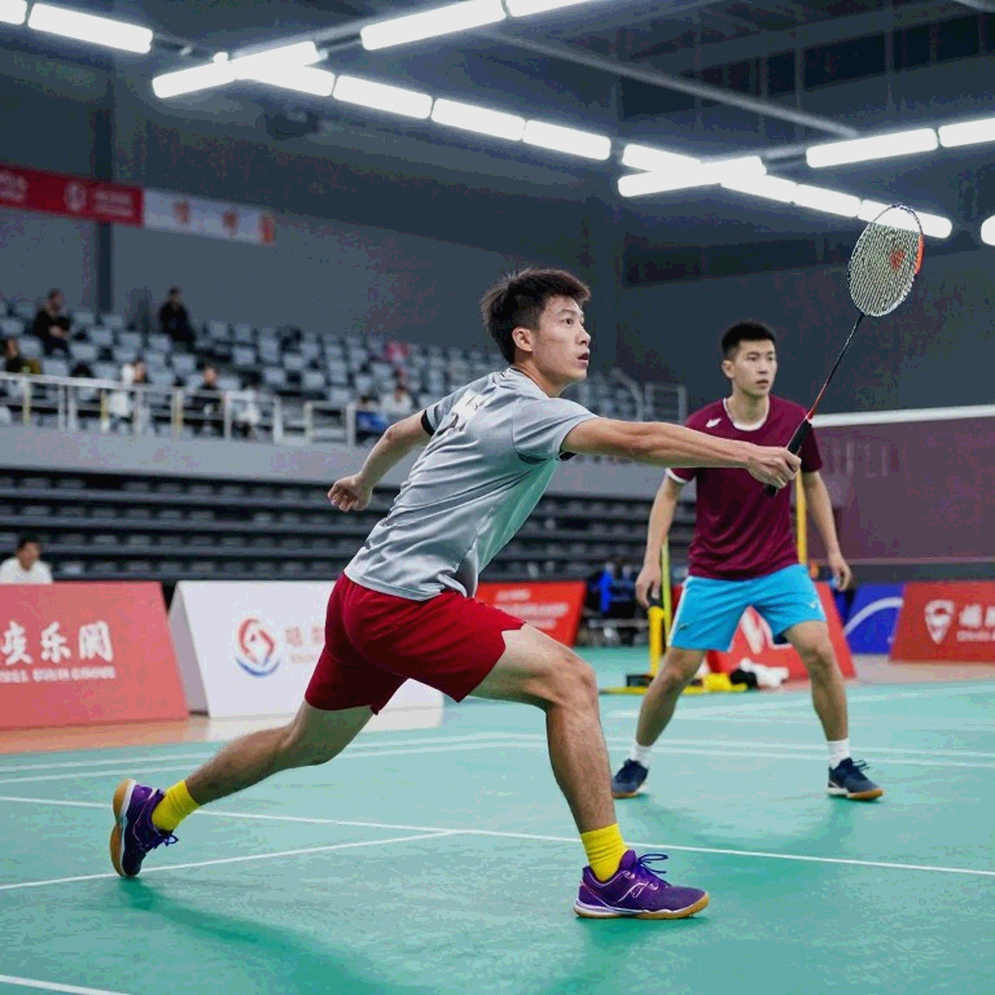
At 17-17 in the deciding game, Chirag Shetty paused before releasing the shuttle. Thirty-six shots later, the Shenzhen arena seemed to hold its breath. When Kim Astrup's final reply clipped the net, Satwiksairaj Rankireddy dropped to one knee. Chirag stood still, watching the Danish pair, as if making sure this victory was not another illusion after months of injury doubts.
This China Masters Super 750 quarterfinal was never just a quarterfinal for Satwik-Chirag. Three months ago, they withdrew mid-match from the Indonesia Open due to injury. One month ago, they lost to the same Danish pair in the World Championships quarterfinals. Tonight, they returned to a tournament where they have reached the semifinals in every edition since 2026 but have never won the title. In game one, they dominated 21-13 with speed at the net and power from the back court. In game two, Astrup and Rasmussen adjusted, pushing deep shots to Satwik's forehand and forcing him to turn and move more. After the interval, a 10-11 score became a 16-21 loss.
The third game told a different story. Trailing 15-17, the Indians did not rush. They won the crucial point at 17-17 after an exhausting 36-shot rally, then claimed six of the final seven points to close 21-18. The 36-shot exchange was a tactical turning point. For years, Satwik-Chirag relied on explosive attacks. Against disciplined opponents who had solved their patterns, that approach was not enough. This time, they showed patience, varied the shuttle placement, and trusted their defense. It was the same weapon the Danes used to beat them at the World Championships.
Yet this victory should not be overread. Satwik-Chirag remain a pair with an injury risk and a points-defense problem. They were runners-up here in 2026, earning 9,350 ranking points. Reaching the semifinals this year yields 7,700 points, a net loss that could drop them from world No. 5. Their schedule density between the World Championships, China Masters, and the Asian Games later in 2026 remains a serious concern. The withdrawal in Indonesia was never fully explained, and playing back-to-back major events while carrying any doubt is a gamble.
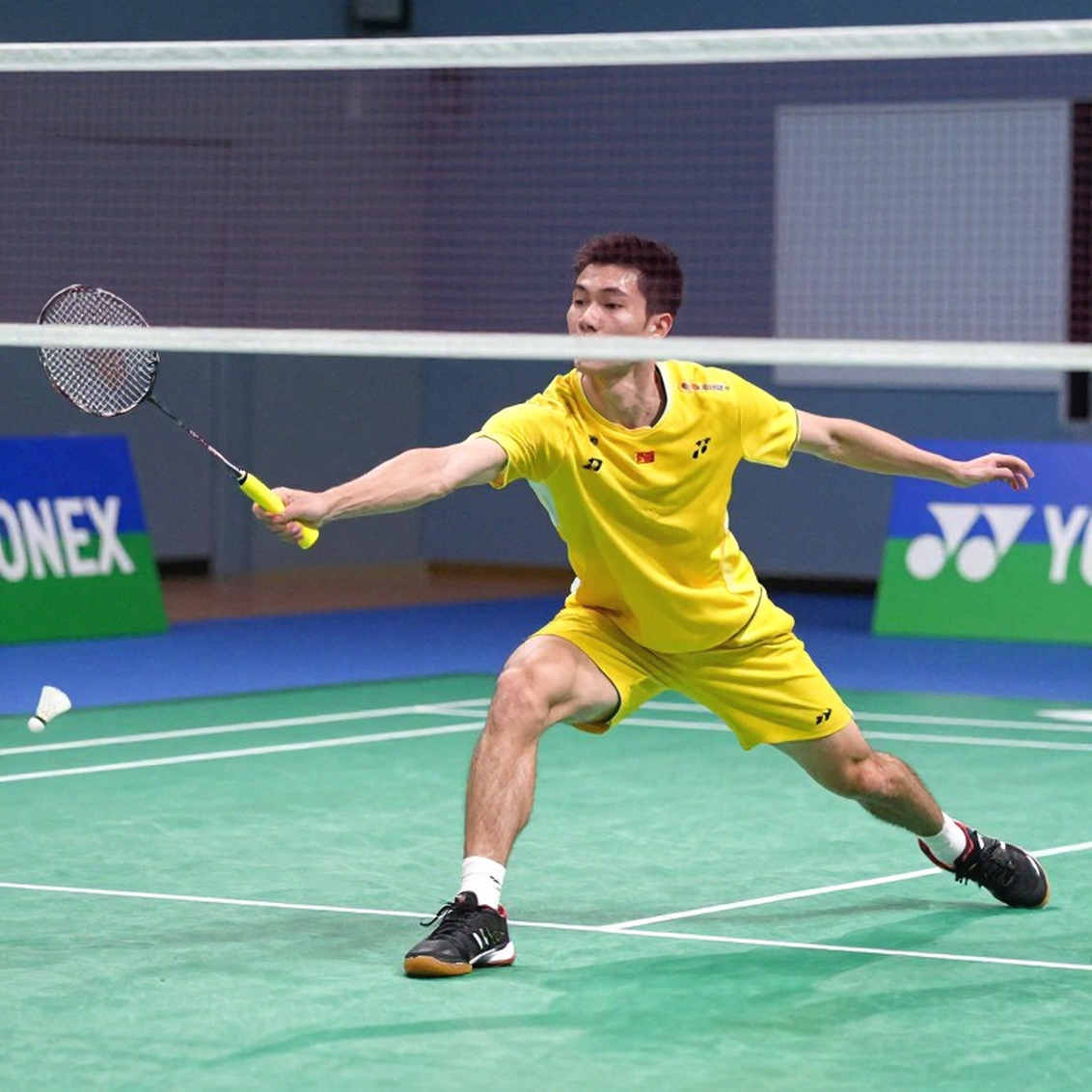
In men's singles, Kidambi Srikanth exited with a 16-21, 16-21 loss to Lee Cheuk Yiu. Ranked 34th against Lee's 25th, Srikanth could not sustain the pace. Lee had won three of their previous meetings, and his disciplined style was always a difficult matchup for the aging Indian. Srikanth was world No. 1 in 2026 and a world silver medalist in 2026, but at 33, his physical capacity no longer supports two full games at this intensity. His decline is not merely personal. It exposes India's thin pipeline in men's singles. When a veteran must keep carrying the flag at 33, the system has not produced enough successors.
Satwik-Chirag have answered one question in Shenzhen. A bigger one remains: can they manage their bodies well enough to defend their Asian Games gold later this year? Every match is a search for soul, even when the scoreline says otherwise. The real test is written in endurance, not in the smash that makes the crowd gasp.
Cầu thủ liên quan
Bài đề xuất
China Masters 2026: Indian Contingent Advances to Quarterfinals with Srikanth and Satwik-Chirag in Dramatic Wins2026-09-05
Hamstring and the Annual Season: How the Calendar Writes Vietnamese Badminton Injuries2026-09-10
Nguyen Tien Minh clears Vietnam Open 2026 qualifier: old legs and sharp reads against a doubles specialist2026-09-09
When a 9-Part Analysis Returns All N/A: Lessons on Data Honesty in Vietnamese Sports2026-09-07
The 36-Shot Rally at 17-17: Satwik-Chirag Beat Astrup/Rasmussen, But the Debt Remains Unsettled2026-09-16
Error: No analysis data to generate article2026-09-11
Bài đề xuất
0.68 Expected Points and a Third Game That Slipped: Reading Lee Zii Jia's Malaysia Open Semi-Final Through Data2026-09-10
ASIAD 2026: The Badminton Draw and India's Structural Limits2026-09-19
Thuy Linh Stops at Vietnam Open: The Map of the Final Four Points2026-09-10
Ashmita Chaliha and the Question of BWF's Playing-Condition Standards2026-09-15
Thuy Linh and the Asiad: The Gap Is Measured Off Court2026-09-14
Ashmita Chaliha and the Double Standard Question: When Indonesian Badminton Courts Are Overlooked2026-09-04
Bài đề xuất
The Blank Data Sheet: When Vietnamese Badminton Has Only Instinct Left to Trust2026-09-10
China Masters 2026: Indian Contingent Advances to Quarterfinals with Srikanth and Satwik-Chirag in Dramatic Wins2026-09-05
Badminton's Post-Paris Movement Season: Coaching Chairs, Independent Contracts and the Data Race2026-09-19
Vietnamese Badminton Data and the Gap That Should Never Be Filled with Guesswork2026-09-10
Satwik-Chirag Reborn at China Masters: Win over Astrup/Rasmussen Reveals the True Face of Champions in Resurgence2026-09-05
India at the 2026 Asian Games: A Gold Medal Anchored to Two Rackets2026-09-11